How to Write a Dating Profile When You're Widowed
Practical tips for putting yourself out there after loss
March 5, 2026, 1:38:00 PM
By Date A Widower · Published 5 March 2026
Putting yourself on a dating site after losing a partner is one of the bravest things you can do. It doesn't matter whether it's been six months or six years; the moment you start typing a profile, every feeling you thought you'd processed can come flooding back. But here's what most people get wrong: a good widowed dating profile isn't about explaining your loss. It's about showing who you are now and what you're looking for next.
Writing a profile that feels authentic without oversharing is a balance, and it's one that thousands of widowed people work through every day. The tips below are drawn from real experiences shared by widowed daters, and they're designed to help you create a profile that attracts the right people while staying true to yourself.
Should You Mention Being Widowed in Your Profile?
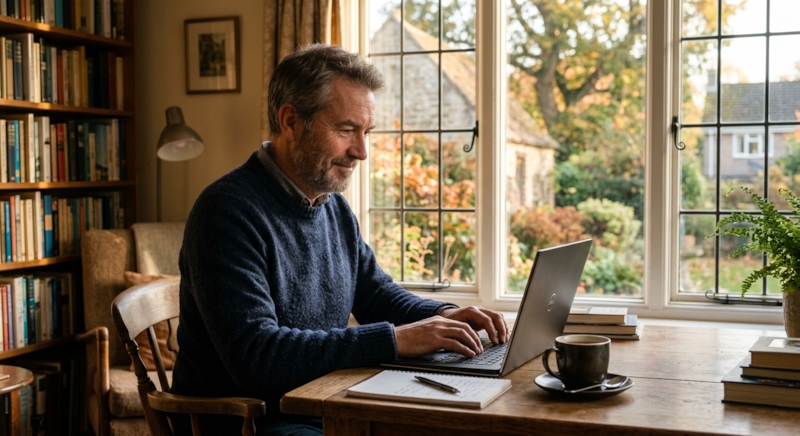
Yes, but briefly. A single line is enough. Something like "I lost my partner three years ago and I'm ready to meet someone new" tells people what they need to know without turning your profile into a eulogy. According to relationship counsellors who specialise in grief and dating, the key is to signal openness rather than dwelling on the past.
The reason brevity matters is practical. When someone reads your profile, they're trying to picture a future with you, not understand your history. If the first thing they see is several paragraphs about your late spouse, many will assume you're not ready to move forward, even if you absolutely are. That assumption might be unfair, but it happens consistently enough that it's worth being strategic about.
Some widowed daters choose not to mention it in the profile at all and instead bring it up in early conversation. That's a valid approach too. There's no single right answer, but if you do include it, keep it to one or two sentences and place it after the section about your interests and personality, not at the very top.
What Should You Write About Instead?
The strongest profiles focus on three things: what you enjoy doing, what kind of connection you're looking for, and what makes you good company. Think of it as an invitation rather than a biography.
Start with something specific. Instead of writing "I enjoy walks and meals out" (which describes nearly everyone), try something like "I spend most Sunday mornings at car boot sales, and I'm always up for a pub lunch afterwards." Specificity helps people picture themselves alongside you, and it gives them an easy conversation starter.
Talk about what you're looking for in a partner, but keep it warm rather than prescriptive. "I'd love to meet someone who enjoys a good conversation and doesn't take themselves too seriously" is far more inviting than a checklist of requirements. Research from dating platforms consistently shows that profiles with positive, forward-looking language receive significantly more engagement than those focused on dealbreakers or past disappointments.
If you have children or grandchildren, mention them naturally. You don't need to list their ages or names, but a line like "I'm a dad of two grown-up kids who keep me on my toes" gives people helpful context without making your profile feel like a family tree.
How Do You Handle Photos as a Widowed Person?
Photos are often the hardest part. After years in a relationship, you might find that most of your recent photos include your late partner, or that you simply haven't taken many photos of yourself in a long time.
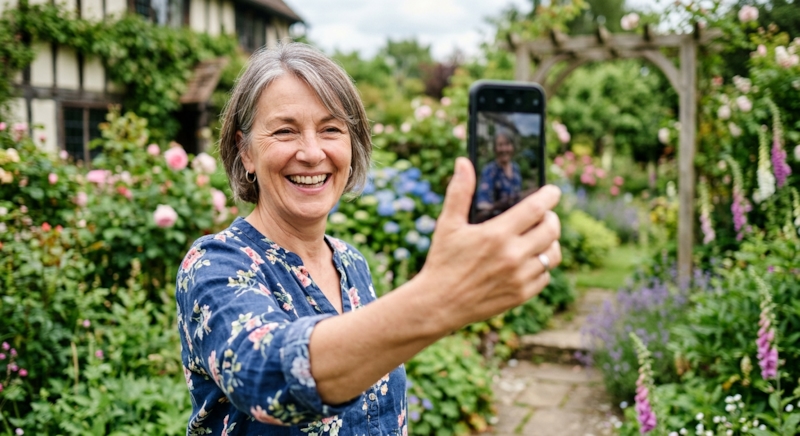
The good news is that you don't need professional shots. A clear, well-lit photo where you're smiling is the single most effective type of profile picture. Ask a friend or family member to take a few casual shots of you doing something you enjoy. If you're a gardener, a photo in the garden works. If you love the coast, a shot on the beach is perfect. The key is that the photo looks recent and shows the real you.
Avoid using photos that have been cropped to remove your late partner. It's surprisingly obvious when this has been done, and it sends mixed signals. Similarly, avoid photos from more than two or three years ago. Honesty in your photos builds trust from the very first impression, and trust is especially important for widowed daters, who often worry about being judged.
A good rule of thumb is to include three to five photos: one clear headshot, one full-length photo, and one or two showing you doing something you love. Group photos can be included but shouldn't be your main image; people want to see you, not guess which one you are. Verified profile photos, like the ID verification feature on Date a Widower, can also boost your credibility and attract more genuine connections. Platforms report that verified members receive up to 15 times more interaction from other users, so it's well worth the small effort of verifying.
When Is the Right Time to Start a Dating Profile?
There's no universal timeline for when widowed people should start dating again. Grief counsellors generally suggest that the first year after a loss involves the most intense grieving, but readiness is personal, not calendar-based. Some people feel ready after 18 months; others need five years. Both are perfectly normal.
A useful self-check is to ask yourself: "Am I looking for a new relationship, or am I trying to replace what I lost?" If the answer leans towards the former, you're likely in a good place to start writing that profile. If it leans towards the latter, it might be worth giving yourself a bit more time, perhaps talking to a counsellor or joining a bereavement support group first.
One pattern that relationship therapists frequently observe is that widowed men tend to start dating sooner than widowed women, often within the first year. This isn't a reflection of how much they loved their partner; research suggests it's partly because men are more likely to rely on a romantic partner for emotional support and social connection. Understanding this can help you feel less guilty about your own timeline, whatever it looks like.
What Mistakes Do Widowed People Commonly Make on Dating Profiles?
The most common mistake is writing a profile that's really a tribute to your late partner. It's understandable, and it comes from a place of love, but it puts potential matches in an impossible position. They don't want to compete with a memory, and they shouldn't have to. If your profile reads more like a memorial than an introduction, it's time to rewrite the opening sections and save those feelings for the conversations that come later, once you've built some trust with someone new.
Another frequent issue is being too vague. Phrases like "just seeing what's out there" or "taking things slowly" can read as reluctance rather than openness. If you're on a dating site, own it. You're there because you want to meet someone, and there's nothing wrong with saying so clearly.
Using outdated language or references can also be a stumbling block, particularly if you haven't dated in decades. Avoid overly formal phrasing like "I am seeking a lady for companionship." Write the way you actually speak. If you'd say "I'm looking for someone to share a cuppa and a laugh with" in real life, that's exactly what should go in your profile.
Finally, watch out for negativity. Lines like "no time-wasters" or "fed up with game-players" might feel justified, but they create an unwelcoming first impression. Focus your profile on what you want, not what you're trying to avoid.
How Can You Feel More Confident About Putting Yourself Out There?
Starting small helps. You don't have to write the perfect profile on your first attempt. Many people on dating platforms update their profiles several times in the first few weeks as they get more comfortable. Think of your first draft as a starting point, not a final product.
It can also help to ask a trusted friend to read your profile before you publish it. They'll spot things you might miss, like accidentally sounding more serious than you intended, or forgetting to mention that hobby you're passionate about. A second pair of eyes is especially valuable when you're feeling vulnerable about the whole process.
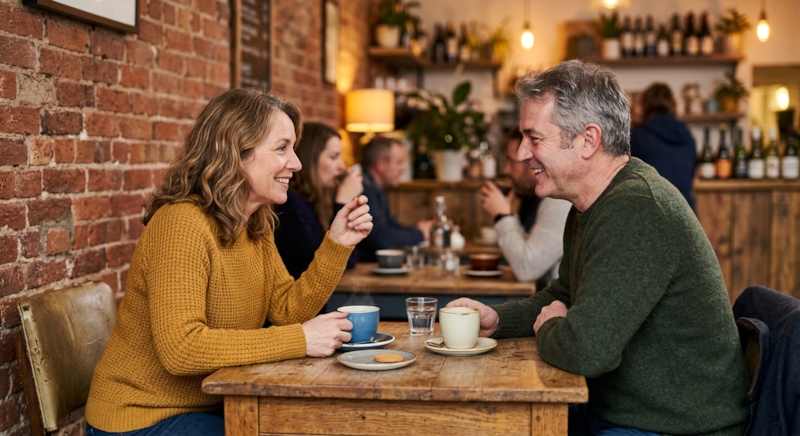
Remember that everyone on a dating site is taking a risk by putting themselves out there. You're not the only one feeling nervous, and the people reading your profile are likely more understanding than you expect. On platforms designed for widowed people, like Date a Widower, you're connecting with others who understand your journey because many of them are on the same one.
Keep Reading
How to Prepare for a First Date After Losing Your Partner - Practical advice for navigating a first date after bereavement, from managing emotions to choosing the right setting.
If you find yourself staring at a blank screen for too long, try a simple exercise: write down five things you'd tell a close friend about yourself if they were setting you up on a date. Those five things are the bones of your profile. Build from there, and you'll have something genuine before you know it.
The most important thing is to be honest, be kind to yourself, and remember that writing a dating profile is just the first step. It doesn't have to be perfect. It just has to be you. Thousands of widowed people have taken this step before you, and many of them will tell you the same thing: the hardest part was clicking "publish." Everything after that gets easier.